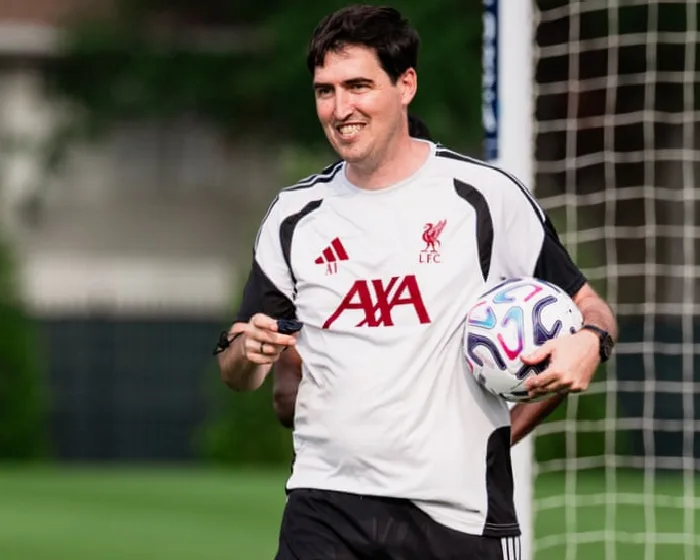
Over coffee in Liverpool’s plush hotel in Chicago, Andoni Iraola presents his theory for the phenomenal success of Basque and Spanish coaches. It is a theory that will shape his entire approach to life as the Liverpool head coach and his attempts to bring the connection, the joy and the belief back to Anfield. It centres on the power of the collective.
- Spain and Basque coaches prioritise team over individuals; a sense of collective drives consistent international success.
- Iraola insists managers are assistants to players; motto: Don't become the protagonist.
- He values academy pathways and belonging, seeing clear parallels between Athletic Club and Liverpool.
- Expect emphasis on work-rate, pressing and commitment so supporters can identify with and rally behind the team.
- He prioritises humility and timing: declined Liverpool in 2014 and left Bournemouth with an very, very clean exit.
The Champions League, the Premier League, the Europa League, the FA Cup, the League Cup, the European Championship and, as of Sunday, the World Cup: all currently in the hands of Basque and Spanish coaches, even if Pep Guardiola has since taken his leave from Manchester City. Next season, four men from the small Basque region of Gipuzkoa will manage four of the Premier League’s main contenders, Iraola included. There is, he believes, a simple explanation for the rise of the guys from Gipuzkoa and for Spanish dominance across a global stage.
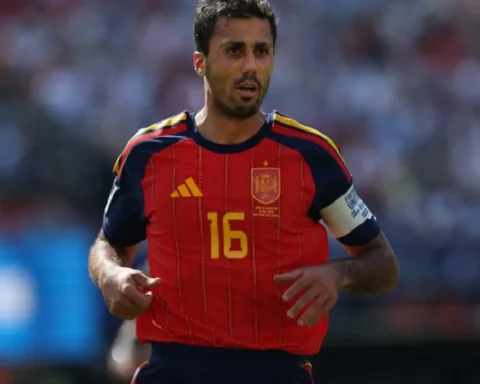
“They ask me why a lot of Basque managers especially have arrived to this level and why Spanish teams are winning a lot of things,” Iraola explains. “I always say that a sense of collectiveness is very important. Spain has never had the best athletes. If you analyse in swimming, boxing, track and field, Spain don’t normally win medals. But in collective sports they are very good. In football, basketball, handball, hockey, normally they have good teams. We always put the team first. An example is someone like Rodri. He didn’t score or make an assist but at the end they won the World Cup and he won best player of the tournament. Team first was always integrated in how we were raised.”
Iraola, warm and friendly despite the jet lag at the start of Liverpool’s pre-season tour of the US, then gives an immediate example of how he embodies those values. He is asked about a letter he sent to Liverpool in January 2014 when, as captain of boyhood club Athletic Club, he rejected the opportunity to sign for Brendan Rodgers’ team. By all accounts courteous and apologetic, as well as highly unusual, the letter provides a telling insight into Iraola’s character. It is an open goal of a question to a new manager wanting to win over a new fanbase. But Iraola declines to shoot.
Following a lengthy pause, he says: “I don’t know if I want to tell this story so early in my career here. I would like to win some games first. It is a nice story but if you remember me in some months, then you can ask me again. I don’t like to do this from the beginning. I just don’t want to. It will look like I am selling myself. We need some time, and to win some games.”
Iraola’s outlook is refreshing – “Don’t become the protagonist,” he says of his role as head coach – and one that Liverpool can easily identify with. Continuing with the theme of Spain’s collectiveness, he adds: “I think there has to be something in society. It cannot only just be about football. I think things work when we are not just selfish, no? When, in the end, you prioritise the situation of the one who has less. That happens also in football. The ones that don’t play, the ones who come from the academy, the ones who earn less. You can compare it with society.”
I always say we are assistants to the players. They are the main part
“The first thing we have to do is try to play well, but it’s not just only about playing well. Supporters have to identify with what they see on the pitch. Sometimes it’s not about just putting one ball in the top corner. A lot of the time, the ones watching the game, OK, they cannot do that but they can run, they can fight for the balls, they can press, they can fight until the last line for every situation and when they see this from the players of their team it’s easier to get behind that team. I will encourage my team to give them these things.”
Iraola never came close to signing for Liverpool 12 years ago despite the best efforts of Michael Edwards, until recently the chief executive of football for the club’s owners, Fenway Sports Group. “I never really wanted to leave Athletic Club,” their former right-back admits. “For me, Athletic Club was the place to be. The only way of leaving was to go to the MLS [with New York City FC] and try something completely different. I didn’t want to become a problem for the club.”
The 44-year-old, however, does see parallels between his boyhood club and his new one. He explains: “This is one of the biggest clubs in the world and, in some way, the comparison to Athletic Club probably isn’t fair, but in a lot of ways I see a lot of similar things. This sense of belonging, of being a little bit different. This connection, also, with players from the academy. The atmosphere of Anfield.”
At his official unveiling in Liverpool last week, Iraola said he intends to immerse himself in the city and “take some pictures” of the tourist spots. The truth is he has already done so. He visited the city a few times during his playing days with Athletic and for a very simple reason. “It had the best flight connections,” he laughs. “The best connections were Manchester and Brussels and sometimes we only had two or three days so the main thing was to go somewhere quick. I remember the first time I went to Liverpool it was already the Christmas market so it was probably around the November international break. We had no kids at the time so we are talking about a lot of years ago but it was a lovely time with my wife.”
There has been no holiday this summer for Iraola and his family, now extended by two children. “I went home for one week in the half-term for the kids at the end of May,” he says. “That was once the season had ended. I have mostly been in Bournemouth but I also had some trips to Liverpool to sort the schools and the housing. This is the stuff I wanted to do before I started working officially.”
Iraola describes the process of leaving Bournemouth after three impressive years as “very, very clean” and claims he only started considering his next step once last season had ended with the club in Europe for the first time. The process of becoming Slot’s replacement “was actually quite fast”. He says: “Honestly. It was true that I was talking with some clubs [Milan, Bayer Leverkusen and Crystal Palace all made approaches]. I think it was the first or second week after the season ended. But it happened fast. They contacted me, and it didn’t take a lot [to say yes to Liverpool this time].”
It hasn’t taken long for Liverpool fans to create a song in honour of their new head coach. Sung to the tune of Christy Moore’s Viva la Quinta Brigada, written about Irish volunteers who fought against Franco’s fascist forces in the Spanish civil war, the song went viral within days of Iraola’s appointment in June. He is genuinely astonished when told, almost spluttering over a second cup of coffee.
“A new one?” Iraola asks incredulously. “For me it is a strange situation because I always understand that football is about the players. At the beginning when I arrived in England, I remember the first few games I didn’t go with the players to clap the supporters after games. Tommy and Shaun [Elphick and Cooper, Bournemouth assistants who have followed Iraola to Liverpool] said I should join in. In Spain, normally you leave it to the players; they are the ones who have played the game and we are the ones who stayed behind. In England, managers are the ones who go to the fans, so I have done it every time.”
“These are the cultural things you have to learn when you arrive in a new league. But I always say we are assistants to the players. They are the main part. Our main thing is to help them and they are the only ones who can give us success. We are not as important as they are, that is pretty clear.”
The Kop may dispute that theory, but not Iraola’s take on the power of the collective if restored to full working order.