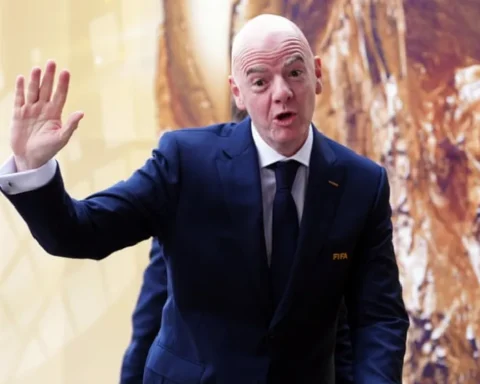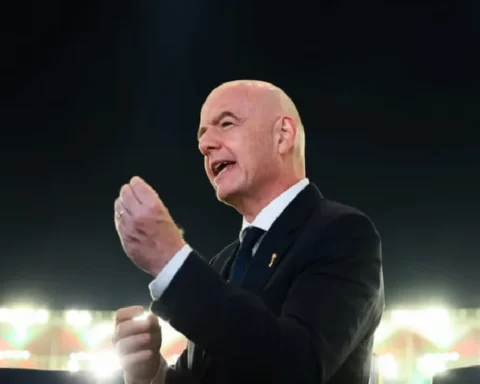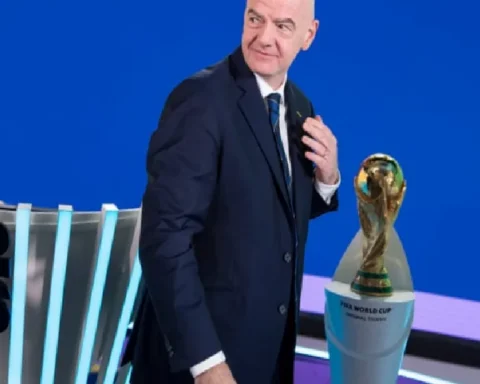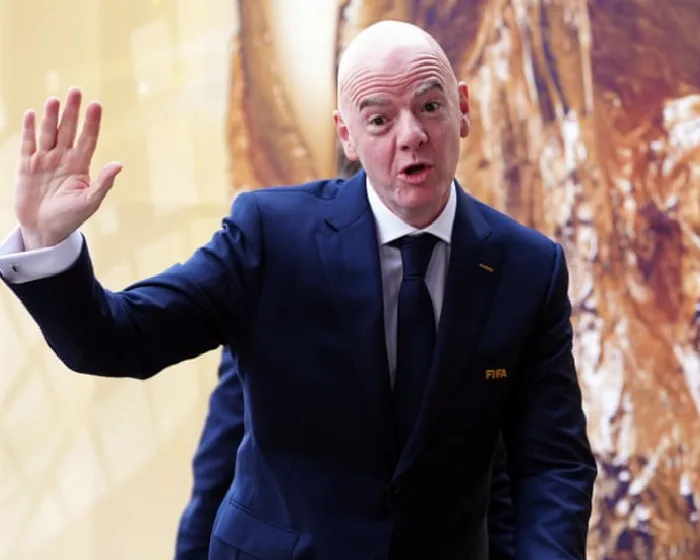
Despite not having been deemed worthy of more than a single mention in Fifa’s 25-page sales deck to its 211 member associations on its doomed proposal to sell off stakes in the World Cup to private investors, now very expensive waste paper, it was women’s football that had found itself on the frontline in the fight for the “soul of football”.
- UEFA threatened boycotts of women's and youth tournaments, using them as leverage to block Gianni Infantino's privatization plans.
- Gianni Infantino's neglect of the women's game, contrasted with intense presence at men's matches, exposed unequal priorities.
- Private finance vultures keep circling; the episode warns to protect the women's game's fragile progress and the men's game's future.
Uefa’s statement that European national teams would not “participate in any Fifa competition for so long as these proposals remain alive, unless this proposal has been abandoned in its entirety and binding assurances have been given that Fifa will never again open its governance or competitions to private ownership”, was a bold, necessary and effective declaration of war against the Fifa president, Gianni Infantino.
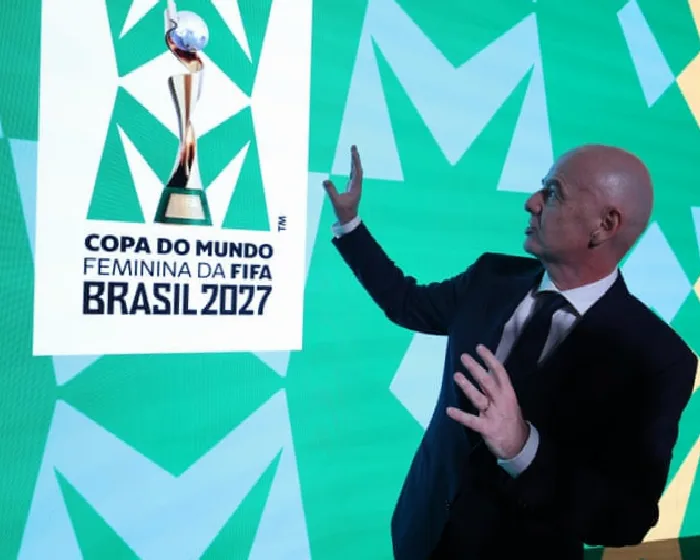
However, with the Under-20 Women’s World Cup being held in Poland next month; the Under-17 Women’s World Cup and Uefa’s qualifying playoffs for the senior tournament both beginning in October; and the big one, the Women’s World Cup itself, taking place in Brazil next summer, women’s tournaments would have been the first test cases had a boycott gone ahead.
There was no further detail on the FA’s plans for England’s two-legged World Cup playoff against Greece, but Uefa’s call for a boycott would have had an impact on the women’s game in September.
A boycott of the Women’s World Cup would have been catastrophic and yet that was the likely consequence of Infantino’s deadline. The 2023 Women’s World Cup was the first to break even after generating more than $570m (£424m) in revenue and Fifa said in May 2025 it is targeting $1bn in revenue from the 2027 edition.
The women’s game is so desperately reliant on international competition for accelerating its growth that the knock-on impact of having no World Cup would have set progress back far more than four years.
However, Uefa was not wrong in its stance and the subsequent collapse of Infantino’s masterplan after the almighty fallout from demonstrates as much. It was not European football’s governing body that engineered the timeframe that put women’s football on the frontline and it was correct not to exclude women’s football, or youth football, from its arsenal in the fight back against Infantino’s attempt to steamroller through his plans.
Step behind the rhetoric and handouts and Infantino’s real attitude to the women’s game is evident. In 2023 Sky News reported the Fifa president had left the Women’s World Cup for Tahiti after less than a week, before returning later in the tournament. By contrast, he went to at least some part of every one of the 64 games of the 2022 men’s World Cup and at times appeared at two a day during the latest men’s edition despite the huge environmental impact of using a private jet.
Perhaps Infantino waited until the beginning of a new four-year men’s World Cup cycle to try to limit the impact of any backlash on the showpiece event, but in doing so he added to the pile of evidence demonstrative of real attitude towards women’s football, with women’s edition of the tournament on the imminent horizon.
It would have been oddly fitting, then, if the women’s game had become the sun that melted his Icarus wings. Luckily, women’s football didn’t have to pay that costly price. However, this episode must act as a warning, both to those who care about the development of the women’s game and its future and those who care about the future of the men’s game.
The reality is that the European Super League debacle and this latest and most blatant of attempts to hand the wealth of football to private finance vultures show that private finance will keep coming back as they search for ways to get a piece of the pie.